Source Industrial Poly Ethylene Oxide Powder for Coatings
Find 30 listings for industrial poly ethylene oxide powder from global suppliers. Compare specifications, pricing, and packaging options to select the right material for your manufacturing needs.
Key considerations
Products List




Comprehensive Sourcing Guide
Strategic Sourcing Guide for Industrial Polyethylene Oxide Powder
Understanding Product Classification and Technical Attributes
When initiating a procurement strategy for industrial polyethylene oxide powder, the first step is to rigorously define the product classification and technical attributes to ensure alignment with specific application requirements. The market offers a diverse range of polyethylene-based materials, and distinguishing between them is critical for operational success. Based on available industry data, polyethylene oxide is often categorized under saturated alcohols, specifically identified as a trihydroxy compound or a 3° (trisubstituted carbinol) in certain chemical contexts. However, in broader industrial applications, it is frequently recognized as a carbon chain polymer, where the molecular principal chain consists of carbon atoms arranged in a specific polymeric structure.
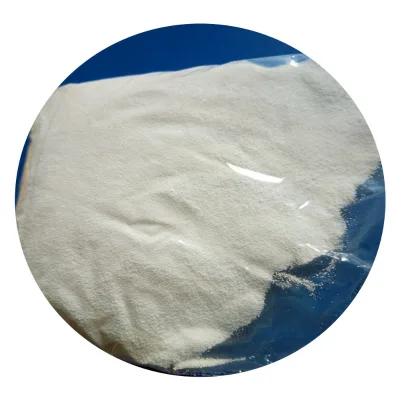
Buyers must verify the physical form of the material, as this directly impacts handling and processing. The product is typically observed in a powder form, though some variations may exist as granules depending on the specific manufacturing process. The molding method for related plastic forms often involves extrusion molding, suggesting that the raw material is suitable for processes requiring thermosetting plastic properties or specific thermoplastic behaviors. It is essential to confirm whether the specific batch is intended for use as a standalone polymer or as a component within a larger composite system. The classification "Other Oxides" may appear in certain chemical databases, but for industrial procurement, the focus remains on the polyethylene oxide identity and its specific molecular weight distribution, which dictates viscosity and solubility.
The raw material source is another critical attribute. While some high-performance variants may be imported from specific regions known for advanced chemical manufacturing, such as Germany, the majority of industrial-grade polyethylene oxide is sourced from major production hubs in China. The origin of the material influences the consistency of the supply chain and the availability of technical support. Buyers should explicitly request the country of origin for every lot to ensure compliance with internal sourcing policies and to anticipate potential logistics variables.
Compliance Standards and Quality Verification Protocols
Quality assurance in the procurement of industrial polyethylene oxide powder relies heavily on adherence to established standards and rigorous verification protocols. The industry recognizes specific purity levels as benchmarks for quality. For instance, certain grades of related oxides and pigments are standardized at 98% or 99% purity, while other industrial specifications may require a minimum purity of 93%. When sourcing polyethylene oxide, buyers must verify that the supplier can provide documentation confirming the material meets the required purity threshold for the intended application.
The product standard is a fundamental document that outlines the acceptable range of properties. In the context of industrial chemicals, standards may be designated by specific model numbers or generic classifications. For example, specific pigment grades or oxide models like R906 or R101 serve as reference points for quality consistency. While these specific model numbers may apply to related titanium dioxide or other oxide products, the principle of model-based standardization applies to polyethylene oxide as well. Buyers should request the specific product model or standard designation from the supplier to ensure the material matches the technical specifications required for their production line.
Certification and compliance checks extend beyond simple purity percentages. The material must be free from contaminants that could interfere with downstream processes. The "First Class" quality designation often implies a high level of consistency and a lack of defects, but this is an observation that must be validated through third-party testing or supplier-provided certificates of analysis (CoA). Buyers should verify that the supplier maintains a quality management system that aligns with international standards, even if specific certification names are not explicitly listed in the initial product description.
Furthermore, the storage method for polyethylene oxide is typically normal, indicating that the material does not require extreme environmental controls under standard conditions. However, the packaging plays a vital role in maintaining quality during transit. The standard packaging often involves double food plastic bags within a 25 kg carton or 25 kg woven bags, depending on the supplier's configuration. This dual-layer protection helps prevent moisture ingress and physical contamination, which are critical factors for maintaining the integrity of the polymer powder.
Cost Drivers and Pricing Structure Analysis
The pricing of industrial polyethylene oxide powder is influenced by a complex interplay of factors, including raw material costs, manufacturing complexity, and logistical considerations. The observed price range in the market can vary significantly, spanning from as low as $0.10 to as high as $8,000 per unit, depending on the grade, purity, and quantity purchased. This wide range underscores the importance of defining the exact specifications before soliciting quotes, as a generic search will yield results that are not comparable.
The minimum order quantity (MOQ) is a primary driver of unit cost. Suppliers typically set MOQs ranging from 1 unit to 1,000 units, with specific industrial grades often requiring a minimum of 1 ton for cost-effective shipping and handling. Purchasing below the MOQ may result in significantly higher per-unit costs or may not be feasible at all. Buyers should aim to consolidate their orders to meet the supplier's MOQ thresholds, thereby optimizing the cost per kilogram.
Packaging requirements also impact the final price. Customized packaging options, such as bubble wrap packing or specific bag configurations, may incur additional charges compared to standard 25 kg bag or 20-ton FCL (Full Container Load) shipments. The choice between standard and customized packaging should be weighed against the internal handling capabilities and storage constraints of the buyer's facility. Additionally, the lead time for delivery, which can range from immediate availability to within 15 days, affects the overall cost structure. Rush orders or expedited shipping from distant origins, such as imports from Germany, will carry a premium compared to standard domestic or regional shipments.
Typical Applications and Performance Requirements
Industrial polyethylene oxide powder finds application across a wide spectrum of industries, driven by its unique chemical and physical properties. As a saturated alcohol with a trihydroxy structure, it is often utilized in applications requiring specific viscosity control, thickening, or binding capabilities. The material's classification as a carbon chain polymer makes it suitable for use in various plastic forms, including thermosetting plastics and granules used in extrusion molding processes.
One of the primary applications for polyethylene oxide is in the formulation of paints, coatings, and pigments. The material's ability to act as a pigment component or a dispersing agent is highly valued in the manufacturing of high-quality coatings. In these applications, the purity of the oxide and the consistency of the particle size are critical to achieving the desired finish and durability. The "Conversion Type" formation mechanism mentioned in industry data suggests that the material may be involved in processes where chemical transformation occurs, further expanding its utility in advanced material synthesis.
Beyond coatings, polyethylene oxide is used in the pharmaceutical and personal care industries as a binder or thickening agent. Its solubility in water and ability to form stable solutions make it ideal for these applications. The "Normal" storage method indicates that the material is stable under standard conditions, which is beneficial for industries that require long shelf lives for their raw materials. Buyers should evaluate the specific performance requirements of their end-products to determine the necessary grade of polyethylene oxide, ensuring that the material's molecular weight and purity align with the desired functional outcomes.
Supplier Evaluation and Sourcing Strategy
Selecting the right supplier is a critical component of a successful procurement strategy for industrial polyethylene oxide powder. Buyers should evaluate potential suppliers based on their ability to provide consistent quality, reliable delivery, and technical support. The origin of the material, whether it is produced in China or imported from Germany, can be a significant factor in the supplier's reputation and the material's perceived quality. Suppliers with a history of exporting high-grade materials to international markets are generally preferred.
The availability of samples is another key criterion for supplier evaluation. Reputable suppliers should be willing to provide samples for testing and validation before committing to a large order. This allows buyers to verify the material's properties, such as purity, particle size, and solubility, against their internal standards. The ability to customize the product, including packaging and specifications, is also a valuable attribute. Suppliers that offer customization options demonstrate flexibility and a commitment to meeting the specific needs of their clients.
When evaluating suppliers, buyers should also consider the transparency of their pricing and the clarity of their terms and conditions. A supplier that provides detailed information about their production process, quality control measures, and logistics capabilities is more likely to be a reliable partner. The presence of a dedicated customer service team that can address technical queries and resolve issues promptly is essential for maintaining a smooth supply chain.
Quality Control and Long-Term Procurement Considerations
Implementing a robust quality control (QC) process is essential for mitigating risks associated with the procurement of industrial polyethylene oxide powder. Buyers should establish clear acceptance criteria based on the supplier's provided specifications, including purity levels, particle size distribution, and moisture content. Regular testing of incoming materials against these criteria ensures that the product meets the required standards before it enters the production line.
Long-term procurement considerations involve building a sustainable relationship with suppliers that can adapt to changing market conditions and demand fluctuations. Buyers should seek suppliers who offer flexible ordering options, such as the ability to adjust order quantities based on production needs. The availability of a "Sample" for ongoing testing and the provision of technical data sheets are indicators of a supplier's commitment to quality and transparency.
Furthermore, buyers should monitor the supply chain for potential disruptions, such as changes in raw material availability or logistical challenges. Suppliers with a diverse network of logistics partners and a proven track record of on-time delivery are better positioned to handle such challenges. The "Customized according to customer requirements" standard for some products suggests that suppliers are capable of adapting their offerings to meet evolving market demands, which is a positive sign for long-term procurement stability.
In conclusion, sourcing industrial polyethylene oxide powder requires a comprehensive understanding of the product's technical attributes, compliance standards, and market dynamics. By carefully evaluating suppliers, verifying quality through rigorous testing, and establishing clear procurement protocols, buyers can ensure a reliable supply of high-quality material that meets their specific application needs. The strategic approach outlined in this guide provides a framework for making informed decisions that balance cost, quality, and reliability in the procurement of this essential industrial chemical.
FAQs
What is the standard purity for industrial polyethylene oxide powder?
The standard purity for this material is typically 98% or 99%, though some grades may require a minimum of 93%. Buyers must verify the specific product model and standard designation to ensure the material meets the required purity threshold for their intended application.
How is the product typically packaged for shipping?
The product is commonly packed in 25 kg woven bags or double food plastic bags within cartons. Some suppliers offer customized packaging options like bubble wrap or 20-ton full container loads depending on the specific order requirements and logistics needs.
Can suppliers provide samples for testing before bulk orders?
Yes, suppliers generally provide samples for testing and validation before committing to a large order. This allows buyers to verify material properties such as purity and particle size against internal standards before finalizing the procurement decision.
What is the typical lead time for delivery?
Delivery is typically completed within 15 days for standard orders. However, lead times may vary based on the supplier's location, whether the material is imported from Germany or sourced from China, and the specific customization requirements.
Which minimum order quantity applies to industrial grades?
The minimum order quantity often starts at 1 ton for industrial grades to ensure cost-effective shipping. Buyers should aim to consolidate orders to meet these thresholds, as purchasing below the MOQ may result in significantly higher per-unit costs.
What storage method is required for this powder?
The product requires normal storage conditions, indicating it does not need extreme environmental controls under standard conditions. Proper packaging with double-layer protection helps prevent moisture ingress and physical contamination during transit and storage.